 CA Daily Wire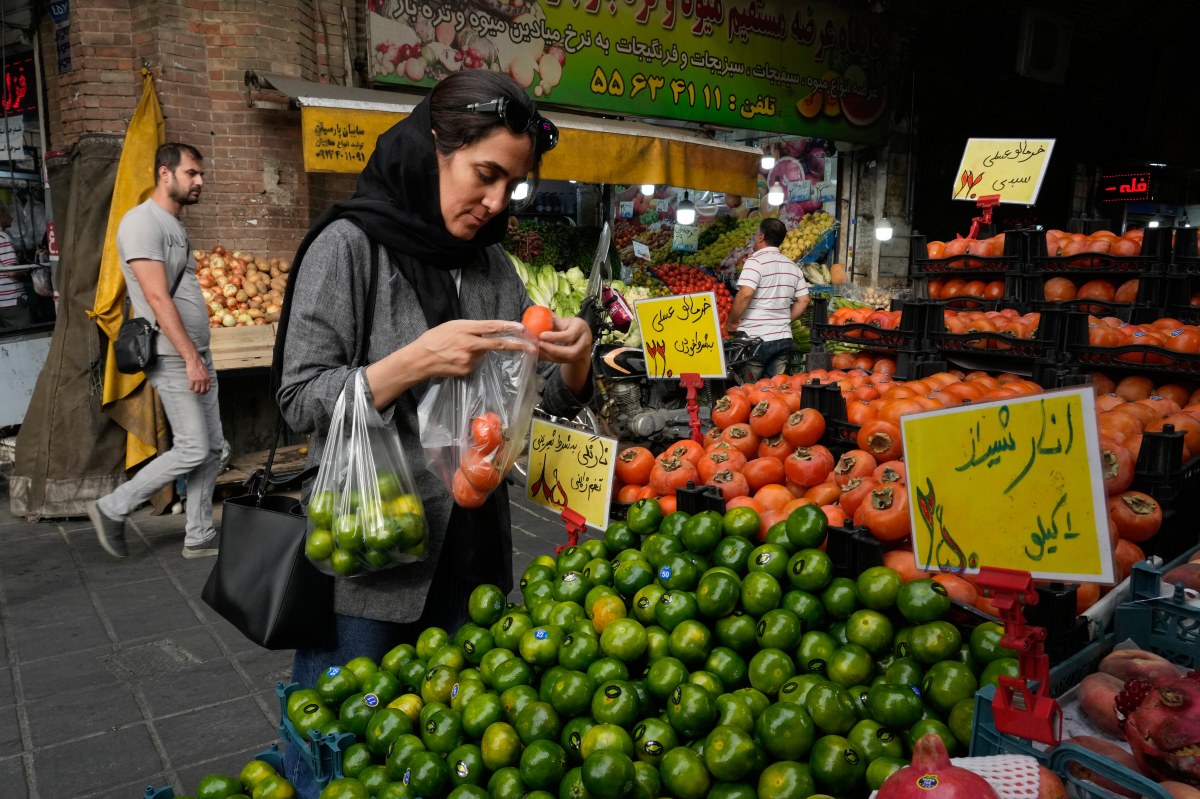
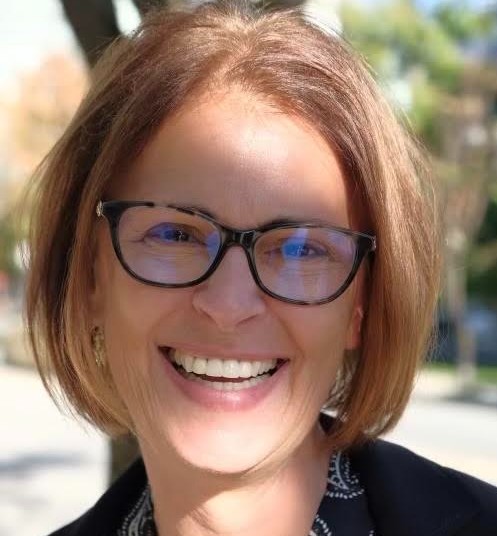
In Mariam’s neighborhood in Iran, a shopkeeper lets people take essentials they cannot afford without paying, she said, as a pause in the bombing offers little relief from rising prices. Mariam, a 53-year-old mother of two, is relieved that schools have reopened. Shopping brings a different worry, though.
“You go shopping and find that everything costs more than before,” she told Newsweek . “You worry about what you will be able to afford next week, or next month.” Her account is one of five interviews describing how Iranians are trying to maintain ordinary routines while struggling to make ends meet and wondering whether further American attacks would bring positive change or deepen their difficulties. The United States and Israel launched strikes on Iran on February 28, prompting Iranian attacks on Israel and Gulf countries.
President Donald Trump said on October 8 that the United States would not attack Iran before the November 3 midterm elections, while maintaining the naval blockade and reiterating his demand that Iran never acquire a nuclear weapon. U.S. Central Command says its forces continue to stop ships entering or leaving Iranian ports.
The International Monetary Fund (IMF) forecasts an economic contraction and steep increases in consumer prices for Iran in 2026. The interviewees describe what those pressures mean at home and at work: employees asking for raises, business trips becoming more expensive, and neighbors helping one another afford necessities. They also reveal a contrast between financial anxiety and a social atmosphere that some describe as more relaxed.
Their frustrations lead to sharply different conclusions about what should happen next. ... Prices Rise, Businesses Stall Iran’s inflation problems predate the war: research published by the IMF in 2022 identified sanctions, currency depreciation and government budget deficits among the drivers of rising prices. Washington continues to increase economic pressure.
On October 8, the Treasury Department targeted 17 vessels it said were transporting Iranian oil and petrochemical products in violation of U.S. sanctions. For Reza, a 61-year-old business owner in Esfahan, uncertainty has made it difficult to decide whether to expand, cut back or change how he works. “Honestly, I feel frozen,” he told Newsweek .
“I don't know whether I should push ahead, hold back or try to find another way of doing business. Every decision feels like a risk and doing nothing is also a risk.” Part of his business depends on trade and clients in Dubai. He said restrictions affecting Iranian airlines mean he must travel through Turkey, adding hours and expense to the journey.
A weakening currency further complicates his calculations. A weaker rial can make imported goods more expensive in local currency, one way that exchange-rate declines feed the inflation identified in the IMF research. “You cannot plan properly when you do not know what the situation will look like next week, let alone in a few months,” he said.
In Shiraz, Ali, a video production company owner in his late 40s, faces requests from employees whose earnings no longer cover their needs. “My staff comes to me asking for salary increases because they can no longer afford the things they need,” he told Newsweek . Ali understands their position, but said his ability to help has limits.
“They have families to support and bills to pay, and I understand their frustration. But I also have a business to run, and there is only so much I can do,” he said. Nilu, a beautician in her mid-30s, says people keep socializing despite their worries.
“People are going out, meeting friends and partying,” she told Newsweek . “There is a sense that people are trying to get on with their lives, even with everything happening around them.” Separate reporting suggests some women also feel freer to go without headscarves: women interviewed by Radio Free Europe/Radio Liberty in June described an easing of enforcement that began after the 2022 Woman, Life, Freedom protests and continued during the war. ... Iran’s compulsory hijab requirement remains in place, however, and, according to August reports, authorities were still closing businesses over alleged dress-code violations.
Nilu’s own expectations of the war have changed. “I initially supported the U.S. war. I thought they might lead to a change in Iran, and I was hopeful that something different could come out of it.
But as time has passed, I have become more disillusioned,” she said. She struggles to see where the country is heading and believes economic hardship could eventually provoke unrest. “I do think there could be an explosion of anger inside Iran, particularly because of the economy.
Prices are so high, and people are under enormous pressure.” ... Divide Over Renewed US Strikes Hassan, a 23-year-old personal trainer in south Tehran, wants a stronger response to attacks on Iran. “I don't trust the United States or Israel, and I don't believe they have Iran's interests at heart,” he told Newsweek .
His criticism of Iran’s government centers on what he considers excessive restraint. “But I am also angry with our own government. I think we showed too much restraint.
If Iran is going to be attacked, then I believe it should respond more aggressively," Hassan said. Reza distrusts both sides: “I think both sides are idiots, and I don't trust anyone," he said. Ali wanted change in Iran, but said the war had made life worse.
“I wanted a better Iran. I wanted things to change, and I wanted a better future for the people who live here. But this war is not the answer," he said.
He questioned what further fighting would achieve for ordinary people, including Americans: “Ordinary people on both sides have their own lives, families and worries. Why should they have to keep paying the price?” What Would Relief Look Like? For Mariam, returning to familiar routines offers some reassurance.
She said friends and neighbors look after one another when money runs short. But the deaths of children in a school bombing remain on her mind whenever she looks at her sons. “Every time I look at my boys, I think about how fortunate I am that they are safe, and about the families whose lives have been changed forever," she said.
IMF Regional Director Jihad Azour said on October 15 that the wider economic outlook depends partly on how quickly energy production and trade recover, identifying a prolonged conflict as a major risk. The IMF is scheduled to release its full regional economic outlook on October 22, offering a further assessment of the damage and prospects for recovery. For now, Mariam’s neighbors are helping one another buy food they can no longer afford, while business owners struggle to plan beyond the next few weeks.
The prospect of renewed fighting adds to an uncertainty that already shapes everyday life. The next decision about war may be made in Washington or Tehran, but for Iranians like Mariam, the daily decisions about what they can afford are already becoming harder.
Source: Newsweek